Small business owners often overlook social media. They know they should be there, but between managing inventory, serving customers, navigating social media verification, and handling finances, building a social media presence feels like one more thing on an already overflowing to-do list.
Yet the numbers tell a different story. Over five billion people use social media worldwide, and 58% of consumers find new businesses through these platforms. For small businesses, this represents a direct line to potential customers that should not be ignored.
So, what can small business owners do when their plates are full, and social media marketing is just another thing demanding their time? It comes down to using your time effectively to focus on effective social media marketing strategies, and calling in for reinforcements when you need to.
In this article, we’re walking through practical strategies for small business social media marketing, covering how strategic SM management can transform your online presence, which platforms to prioritize, and why some small business owners turn to professional social media services.
It’s not new information to say that social media is a powerful tool for business growth.
A significant 90% of small businesses already use social media in their marketing strategy, and for good reason. Over half of consumers find new businesses through social media platforms, making it a critical channel for customer acquisition.
Well-executed social media management for small businesses can help level the playing field, allowing small businesses to compete with larger corporations by building a loyal community and engaging directly with their target audience.
In fact, social media can be a strategic boon for small businesses specifically. With hashtags like #shopsmallbusiness (with over 1.4 million posts on IG) and new ecommerce platforms like TikTok shop, social media is the way that small businesses across the globe are finding, building, and monetizing their communities.
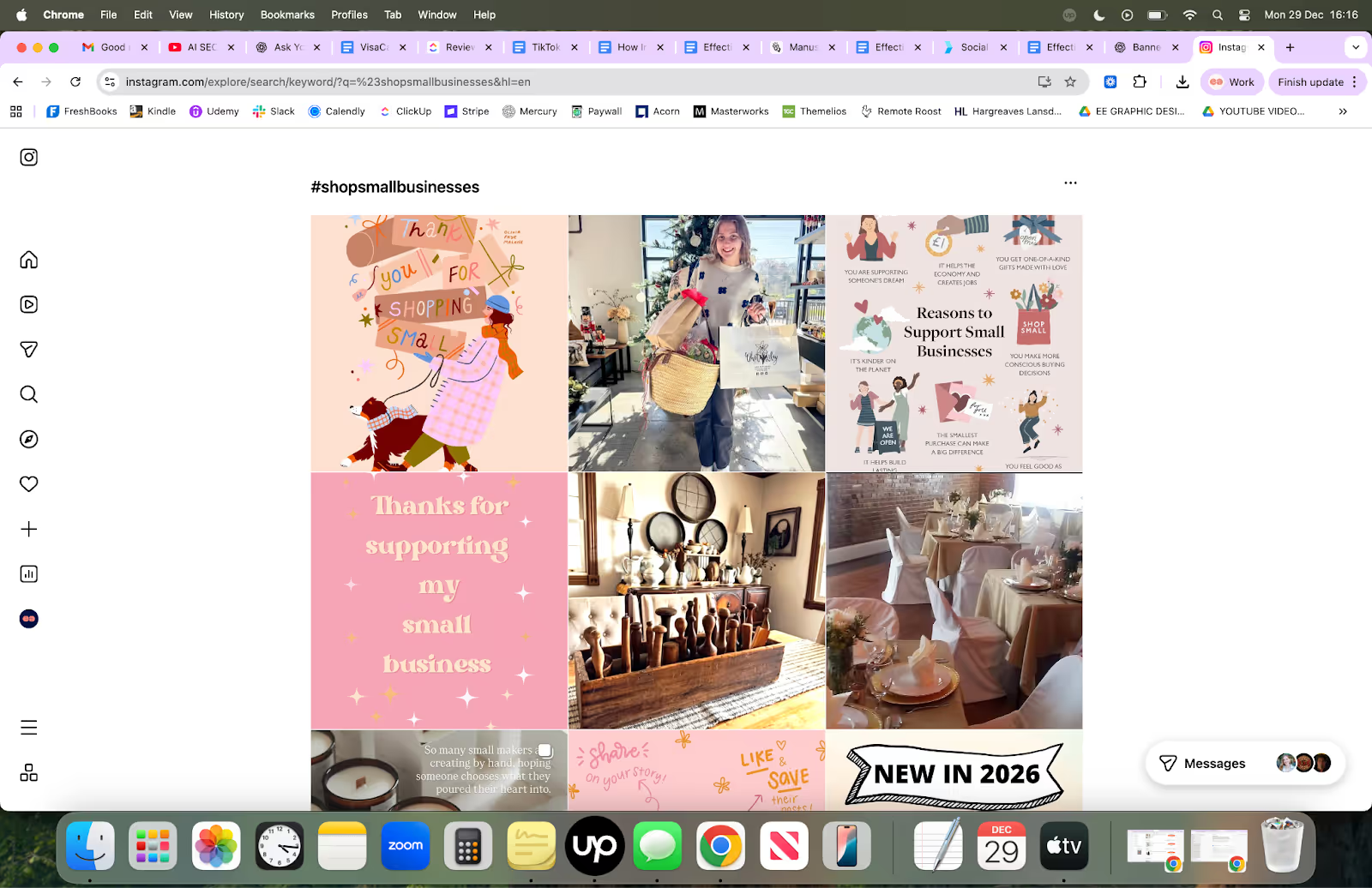
But before you jump into posting, one of the first steps in developing a successful social media strategy is choosing the right platforms.
Instead of trying to be everywhere at once, it is better to focus your efforts on the platforms where your target audience is most active. Here is a quick summary of some of the most popular platforms:

Once you have chosen your platforms, the next step in your social media strategy for small business is to develop a content plan.
Posting and creating content isn’t as simple as posting what’s on your camera roll. Your content should be valuable, relevant, and consistent, targeted specifically to your customers at every stage of the buying journey.
A content calendar can help you plan and schedule your posts in advance, which supports a consistent flow of content and allows you to align your social media posts with other marketing initiatives. It is also helpful to share a variety of content types, including blog posts, videos, infographics, and user-generated content, to keep your audience engaged, rather than only posting promotional material.
Remember: High-quality content is more likely to be shared and remembered, so investing in good visuals and well-written copy can help your brand stand out.
Social media for small businesses is a two-way street. It is not enough to post content; you also need to engage with your audience.
Our experts suggest setting some time aside to respond to comments and messages promptly, ask questions to encourage conversation, and run polls or contests to boost interaction. Building a strong community around your brand can lead to increased loyalty and word-of-mouth marketing.
For businesses looking to build trust, social media services for small businesses like social media verification can add a layer of authenticity to your profiles, showing your customers that you’re a vendor they can trust.
Unfortunately, for many small businesses, social media can be a time suck rather than a strategic avenue to make money. So, to confirm your social media efforts are paying off, it is crucial to measure your return on investment (ROI).
Track key metrics such as engagement rate, reach, website clicks, and conversions. These metrics will help you understand what is working and what is not, allowing you to refine your strategy over time.
While measuring social media ROI can be complex, there are many tools and resources available to help you track your performance and demonstrate the value of your social media marketing efforts.
Effective small business social media marketing is a multifaceted endeavor that requires careful planning, consistent effort, and a willingness to adapt.
By choosing the right platforms, developing a compelling content strategy, engaging with your audience, and measuring your results, you can unlock the potential of social media to grow your business.
Looking for social media help for small businesses? Contact Social Rescue for expert social media support services that grow your business and keep you focussed on what you do best.
Consistency is more important than frequency. Aim for a schedule you can realistically maintain and remember that quality over quantity is key.
There are a lot of free tools available, such as Buffer and Hootsuite’s free plans, which allow you to schedule posts and analyze basic metrics. Canva is another excellent free tool for creating professional-looking graphics.
Focus on creating high-quality, engaging content and interacting with your audience. You can also run targeted ad campaigns to reach a wider audience and promote your profile.
Organic social media refers to the free content you post on your profile. Paid social media involves paying to promote your content or run ads to a targeted audience.
Results can vary depending on your industry, audience, and strategy. While some tactics can yield quick wins, building a strong, engaged following typically takes time and consistent effort.
.avif)



.avif)


.avif)
.png)
.png)
.png)