It can be alarming to find that someone has made a fake profile with your name, photos, or business identity. Regardless of whether you are an individual, creator, or company, social media impersonation can lead to confusion, loss of credibility, and risks for followers and customers.
With more and more impersonation cases occurring online, it’s essential to learn about impersonation on social media to safeguard your online presence. In more complex situations, some users may also consider working with a social media recovery service to better understand their options while addressing impersonation or account-related issues.
Frequently, users also fall into social media impersonation scams, with fake social media accounts trying to gain access, obtain information, or trick others. If you find a fake profile, understanding how to act and what you can do to minimize any potential harm and respond effectively can help you take the appropriate action.
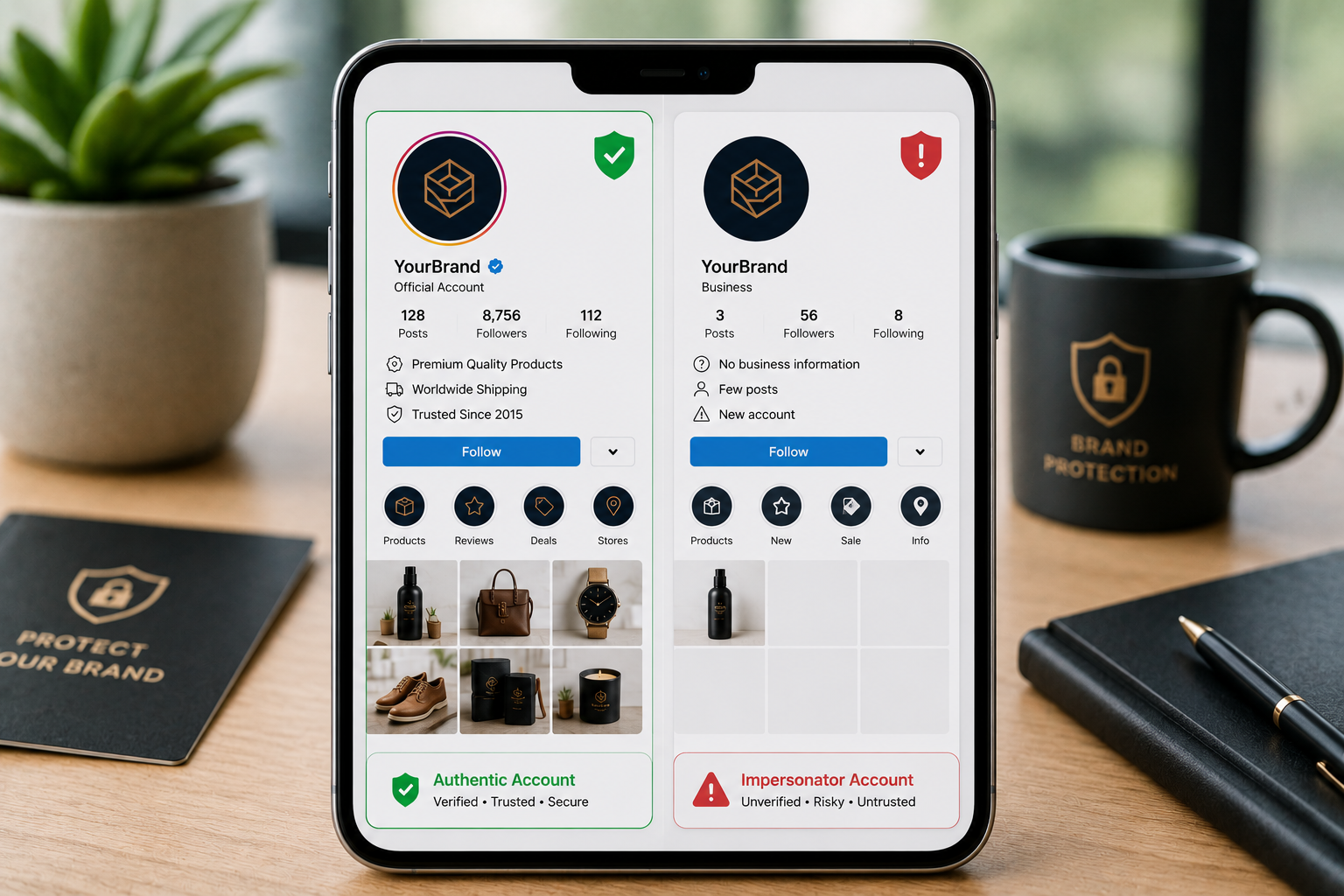
Social media impersonation is defined as a social media account that has been created or is being used to impersonate another person, business, brand, or public figure.
There are many different ways of impersonating someone. A fake account can mimic profile photos, have a similar account name, duplicate business information, or try to contact followers while pretending to be the account holder.
Many consider a fake profile to be simply a nuisance. In practice, however, impersonation can present many difficulties to people and companies.
If there are multiple accounts with the same name, it could be difficult for users to figure out which one is the legitimate one. This confusion can result in decreased trust and impact engagement.
A fake account can post false information, engage with followers, or damage the reputation of a brand or person. Although it may be obvious that the account is not official, people can be misled.
Impersonation accounts are often associated with social media scams, trying to obtain sensitive data, asking for payments, or directing users to fake sites, some of which are hosted on social media platforms.
The Federal Trade Commission (FTC) discusses impersonation scams and identity theft, but not necessarily social media impersonation in the context presented.
Early detection of a fake profile can minimize any damage that could be caused.

Common signs include:
An example of this would be a small company finding a profile with their logo and company name, with links to fake information about the contact. In instances like this, it may trigger confusion and loss of confidence.
While there are differences between platforms, the end goal of the reporting process is usually the same to assist the platform in a review of the account and determine whether it violates any applicable policies.
Instagram offers reporting features to report accounts that could be impersonating people, businesses, or organizations. Users should collect appropriate information and report in accordance with the platform's reporting process, via the app or through the usual platform support channels.

Users reporting impersonation on Facebook should follow Facebook's reporting guidance and provide accurate information about the account involved. When requested, documentation might be helpful in support of the review process.
The Meta Help Center is still the best place to find up-to-date reporting guidelines and account-related information.
Having a fake account for a longer period gives more time for the customers, followers, or business contacts to get confused. It is important that the reporting, documentation, and communication are carried out in the very early stages to minimize potential misunderstandings.
In addition, many professionals suggest that you take screenshots and account information before submitting reports to avoid any changes in account information during the report process.
Reporting an impersonation account is just a measure to take to prevent impersonation online.
The following are best practices to consider:
Tools can be useful in helping organizations maintain better control of important digital assets, including Meta Business Manager and built-in security features.
Sometimes, impersonation cases are simple; sometimes, there can be problems with access to an account, identity, or an issue of brand confusion.

A reputable account recovery service might be able to assist users in these cases to know their options and deal with problems that may be associated with their accounts.
If you are facing any issues related to access on Facebook, you can also check out the Facebook account recovery options if you are unable to access your Facebook account due to legitimate reasons.
Social media impersonation occurs when someone creates or operates an account that pretends to be another person, business, or organization.
Common signs include copied photos, similar usernames, matching branding, suspicious messages, and requests for personal information.
Capture screenshots, record all the necessary information, and understand the platform’s reporting policies before you report something.
Yes. Platform reporting channels will enable businesses to report accounts that seem to be using their identity, name (or branding), or official information.
Taking action early can minimize confusion, prevent reputations from being damaged, and prevent scope for misuse through impersonation.
Impersonation accounts can have a detrimental impact on trust, cause confusion, and put users at unnecessary risk. By knowing how to recognise fake profiles, report them, and take steps to make your account more secure, you can help to protect yourself and others.
Prompt action, proper documentation, and following platform guidance can help users protect their digital identity and maintain trust in their online presence.
.avif)



.avif)


.png)
.png)
.png)