When a person sets up fake websites or social media accounts under your company name, or starts selling fakes of your products, your company's reputation can suffer long before you're aware of it.
The threats that operate online can spread rapidly, and even just one instance of these types of violations can undermine customer confidence, lead to lost revenue, and leave a long-lasting stigma in the minds of consumers.
Digital brand protection assists companies in both detecting and preventing the various kinds of online threats and abuses that impact brands. It includes protections such as domain spoofs, phishing, trademark violations, and counterfeit products and resellers, among others.
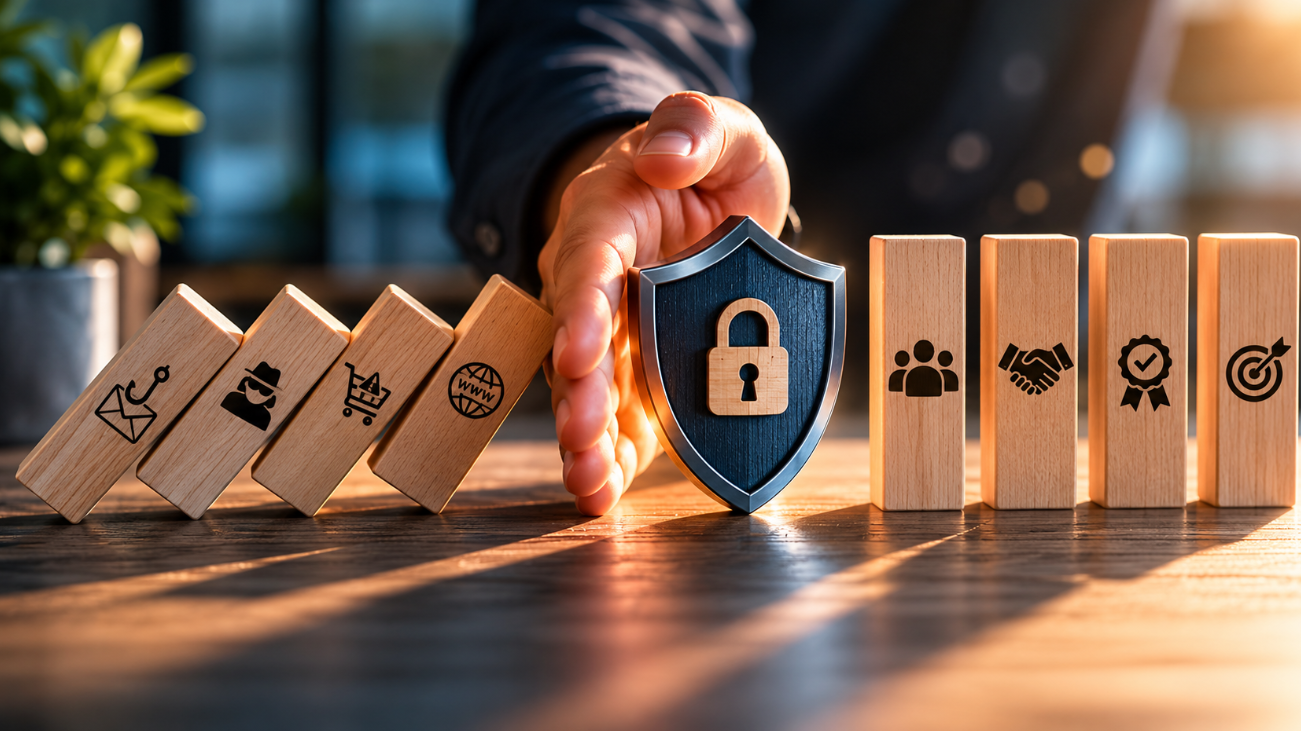
Digital brand protection is designed to assist you with the protection of your brand name, online reputation and intellectual property online. This form of protection seeks to identify and prevent online threats that may damage your business and that of your customers, before damage actually happens. These types of online threats include: impersonation accounts, counterfeit products, counterfeit websites and trademark abuse.
Digital brand protection comprises the following areas of your online activity:
Ultimately, the simple thought of this protection is the protection of all your brand's virtual real estate; if someone creates a fraudulent copy of your brand in order to sell fraudulent items using your brand and name.
The role of digital brand protection is to help prevent these problems from occurring and to provide a framework that allows you to tackle them before the business and brand's reputation or customer base are irrevocably damaged.

Online threats do not only affect big companies with global names. If customers can find you online, scammers, fake sellers, and impersonators can target your brand too.
Customer trust can break quickly when someone uses your name to run a scam. A fake Instagram page, copied website, or false support profile can make people share passwords, payment details, or personal information with the wrong person.
That damage feels unfair because your business did not cause the problem, but customers may still connect the bad experience with your brand. Strong protection helps you spot these issues early, warn customers, and guide them toward safe steps like 2FA recovery when account access becomes part of the problem.
Brand abuse can directly affect your sales. Counterfeit goods take an estimated 3.3% of global trade, which shows how large the problem has become for legitimate businesses.
You may lose revenue through:
Even a small leak matters. If a fake seller steals 20 orders per week at $50 each, that equals $52,000 per year in lost revenue.
Reputation problems spread fast online. Around 76% of consumers check online reviews before they choose a local business, so fake complaints, scam reports, or bad product experiences can push buyers away.
Brand protection gives you a better chance to act before one issue becomes a public trust problem.
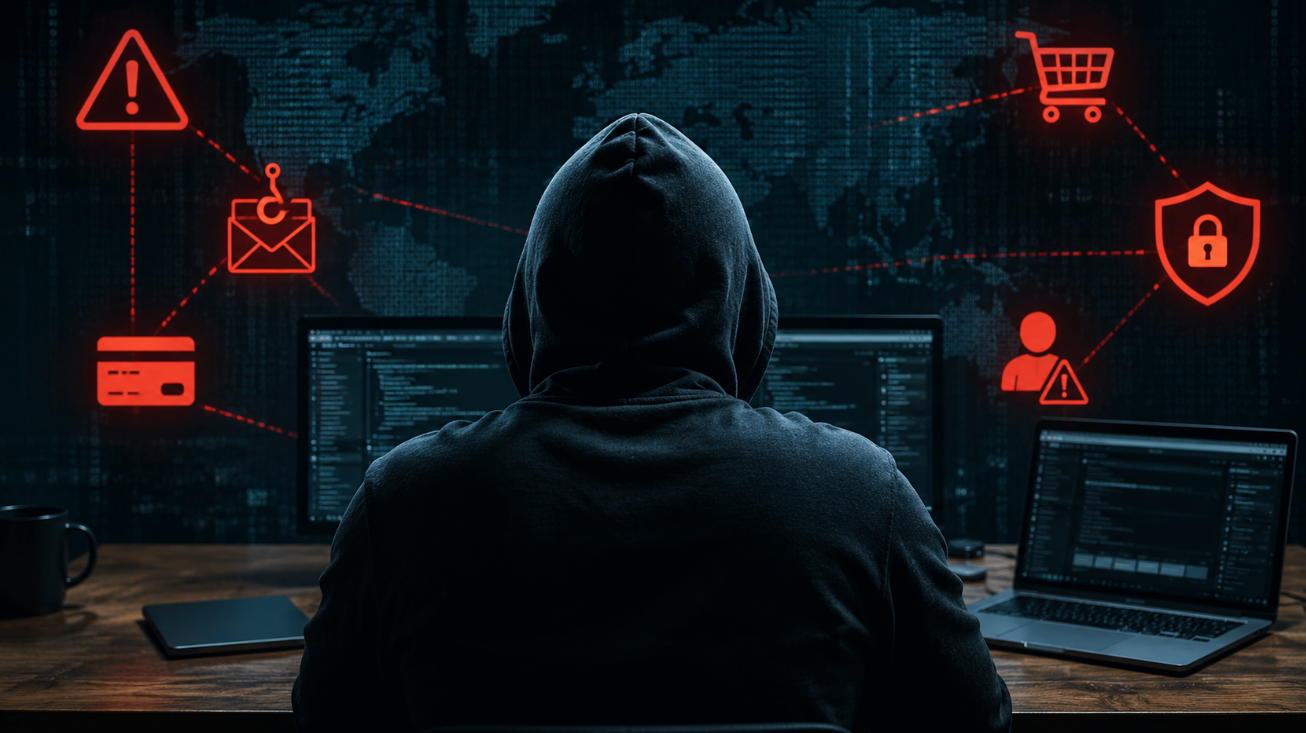
The fraudulent website design mimics your logo, brand colours, and product image. This can be coupled by a lookalike domain where one letter may be changed. Customers may easily miss this small difference and fall into the trap of entering card details, login and password. Phishing pages have minutes to do what it takes to retrieve credit card information and login details from customers.
Counterfeit products have the potential to harm your brand name in very quick time as the buyer would relate the poor quality product with your brand name. A counterfeit seller could have over 50 to 100 listings and you could be overwhelmed by a range of refunds, reviews and customer support tickets before being aware of the counterfeit product.
Fake social media profiles imitate your bio, logo, posts and tone used to communicate with customers. You could be getting multiple queries about fake giveaways, discount codes and support messages to your followers. A highly persuasive scam page could reach hundreds of your followers on a given day.
Trademark abuse happens when another business uses your name, logo, slogan, or product terms without permission. It can appear in ads, marketplace listings, domains, and product packaging. If you ignore it, customers may struggle to know which brand is legitimate.

Most businesses monitor their brand name, logo, product names, domain variations, and social handles. A basic setup may track 20 to 100 keyword variations, including misspellings and fake domain formats.
Common tools include:
Once you find a threat, speed matters. Many platforms ask for proof, such as trademark certificates, screenshots, URLs, account links, and customer complaint records.
A strong takedown file should include:
You can also work with a social media verification agency if impersonation, account trust, or profile credibility has become a serious issue.
Professional digital brand protection solutions help businesses monitor threats across websites, marketplaces, search ads, domains, and social media. Many tools scan daily or weekly, then flag suspicious activity before customers report it.
Best practices include registering your trademarks, securing key domain variations, using verified social profiles, setting up two-factor authentication, and reviewing marketplace listings at least once per week.
You should understand the pros and cons of digital brand protection before you invest time or money into it. The right setup can save your brand from serious damage, but it still needs attention and a clear process.
Strong brand protection helps you act before a small issue turns into a public problem. If you catch a fake domain or scam profile within 24 to 48 hours, you can reduce customer exposure and lower the chance of bad reviews, refund requests, or support complaints.
Main benefits include:
Brand protection can feel overwhelming because threats do not appear in one place. You may need to check domains, ads, marketplace listings, social profiles, reviews, and customer messages at the same time.
Common challenges include:
Even with these challenges, ignoring the problem usually costs more. A single scam page can damage trust faster than most businesses expect.
Digital brand protection is not merely a concern for global corporations anymore; any business that trades online could find itself at risk of fake websites, fake products, spoofing accounts or infringement of trademarks that compromise the trust that your customers have in your business, the income that you generate, and a hard-won brand name.
A proactive strategy is important: regular monitoring and surveillance, robust security measures, protection of your trademarks and rapid enforcement can all prevent serious problems arising. The sooner that a threat can be detected, the quicker the appropriate action can be taken and the quicker that both your customers and brand are safe.
Digital brand protection is the process of protecting your brand's identity, reputation, intellectual property, and customers across online channels. It helps businesses detect and stop threats such as fake websites, counterfeit products, impersonation accounts, and trademark infringement.
Protecting your digital brand builds belief in customers and saves your company cash from fraud over the web. It also keeps your company's name and reputation safe if and when scammers use your brand, items or digital property with bad intent.
The ones that are found most often include: phishing websites, fraudulent products, copied social accounts, unauthorized product listings, and misuse of your trademark name and products. These can be very misleading to people who purchase products.
Companies use a mix of tracking services and protection measures, including: trademark monitoring, website tracking and domain watch, and social media analysis as well as a takedown strategy. Most businesses use digital brand protection companies to observe all these places at the same time.
It is good for almost any kind of business that have, and website, or a social presence and a well-known brand to the public, whether it is a big company, a startup company, or an online seller, a brand name or trademark used at the right time can keep your revenue up and your customers trusting.
.avif)



.avif)


.png)
.png)
.png)